

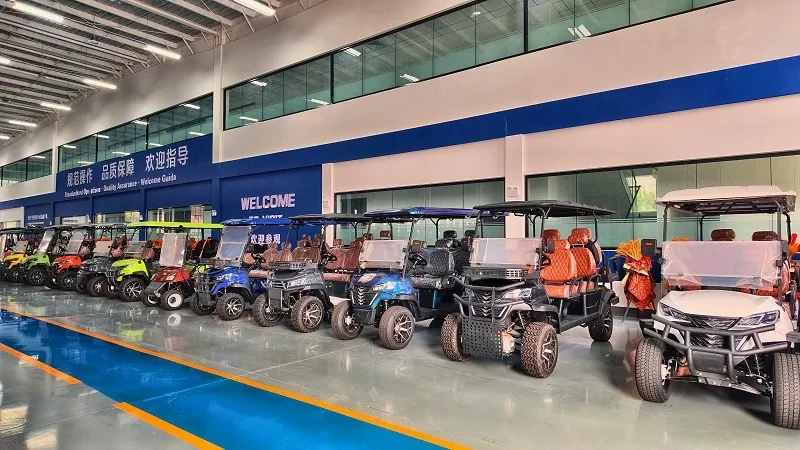
A branded golf cart is both a product and an operating tool. The body finish and logo should express an identity, while the passenger layout, energy system and working equipment need to serve a defined job. A successful development process keeps those two sides in the same brief from the beginning.
This guide follows the path from an initial idea to an approved manufacturing reference. It is intended for private-label brands, dealers, property operators and other buyers preparing a custom project. The scope, feasibility, order quantity and commercial terms are specific to each proposal; a photograph of an option is an invitation to discuss it, not confirmation that it fits every platform.
Define the product you want to offer
Start with the buyer and the operating context. Will the vehicle serve golf players, hotel guests, community residents or a facilities team? A dealer developing a range may need more than one configuration, while a property might need a consistent finish across passenger and utility vehicles. Describe the intended role before selecting decorative details.
Identify the decisions your team can make. A brand owner may approve appearance, an operations manager may approve the layout, and a technical contact may review the working duty. Name these people and agree who issues the final instruction. Multiple uncoordinated approvals can create a vehicle that no one reviewed as a whole.
Set a realistic starting scope. Rebranding an existing configuration is a different project from changing a body structure or developing a new component. Ask the manufacturer to distinguish available choices from work that requires engineering, a sample, tooling or additional validation. That distinction should be visible in the quotation and schedule.
Use the terms OEM and ODM as conversation starters, then define the deliverables. Weiside’s supplied service scope includes private-label manufacturing and design-development discussions. For an individual order, the useful agreement states the platform, requested changes, development responsibilities, approval stages and the record against which the finished vehicles will be checked.
Connect brand requirements to the working duty
Include the route, expected occupants, luggage, regular loads and charging opportunities in the first brief. Add the destination, operating environment and measured access restrictions. The design team needs these facts when evaluating body changes, seat layouts and accessories. A good-looking concept can still need revision when it reaches a narrow gate or a busy boarding area.
Explain how each requested feature will be used. An enclosed cargo box needs an access pattern and a load description. A display needs a purpose and a confirmed equipment specification. A passenger enclosure needs review around entry points and visibility. These details make engineering questions easier to answer than a general request for a premium package.
Keep essential requirements separate from preferred solutions. The essential need may be secure storage for cleaning supplies; an enclosed rear box is one possible response. Giving the manufacturer the underlying need allows discussion of dimensions, layout and mounting rather than forcing an unsuitable detail into the design.
Also describe repeat-order expectations. A small introductory batch and a larger continuing range create different questions about configuration control, spare parts and finish consistency. Share expected quantities as planning information without presenting an uncommitted forecast as a confirmed order. Ask which assumptions are being used to prepare development and production pricing.
Prepare artwork that production can interpret
Provide the current logo files, color references, placement instructions and any approved usage rules. State whether the artwork is intended for a body decal, a badge, upholstery embroidery or another application. The same graphic can require different preparation depending on the material and manufacturing method.
Define placement with reference dimensions and orientation. A screenshot with a logo floating near a panel leaves room for interpretation. An annotated view should identify the panel, the size of the mark and its position relative to a repeatable feature. Ask the factory to return a layout for approval before the decoration is applied.
Confirm that your organization has the authority to use the supplied identity and artwork. The USPTO’s explanation of trademarks, patents and copyright distinguishes brand identifiers from other kinds of intellectual property. For a project, that distinction is a reason to keep artwork authorization and any design-ownership arrangements clear, with qualified advice where needed.
Make the approved artwork identifiable. Use a file name, revision and approval date rather than referring to the latest logo in a message thread. If a change occurs, identify which samples, production documents and packaging graphics must be updated. A simple revision record helps prevent an old file from reappearing in a repeat order.
Approve color and upholstery through samples
Use a named color system or physical reference where possible, and specify the finish as well as the color. Gloss, texture, substrate and nearby upholstery can change the appearance of a finished vehicle. A screen image is useful for discussing direction, but it should not be the only reference used for final approval.
RAL’s official color overview distinguishes its color palettes and provides access to physical samples. In a vehicle project, identify the exact reference being discussed and agree the sample that will represent the intended result. Do not assume that similar-looking digital colors from different systems are interchangeable.
For seats, review the upholstery, stitching, pattern and logo application together. Include the areas that will be visible when people board and when the vehicle is parked. Ask how the selected material should be cleaned and cared for, and consider that routine alongside the intended passenger service.
Retain the approved sample or a clearly identified record of it. When several vehicles or batches need a coordinated appearance, the comparison should refer back to the same approved material and finish. If a supplier proposes a substitute, review its appearance, suitability and effect on any other agreed characteristics before approving it.
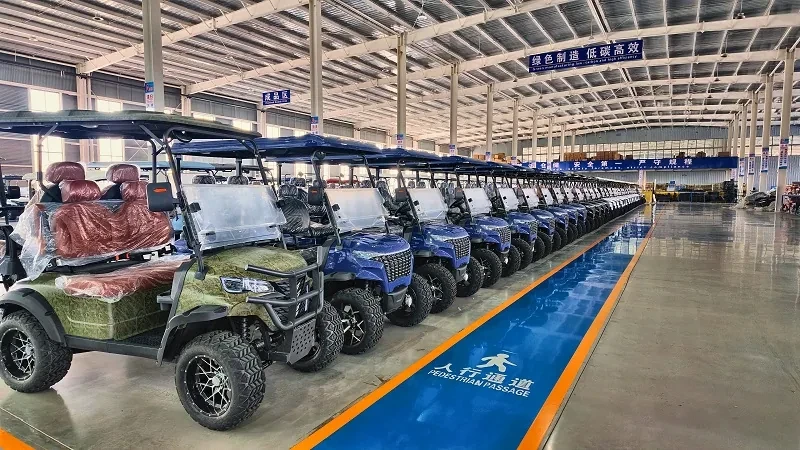
Review mechanical and electrical changes as a whole
Ask the manufacturer to review the chassis, body, seating, suspension, wheels, battery, controller and charger together. An option listed for one series may not be available in the same form on another. The configuration document should state what is included rather than asking production to infer it from several separate photographs.
Pay particular attention to changes that affect working space or electrical demand. A different cargo body may alter access and load distribution. Added displays, audio or other devices need a confirmed integration plan. Describe the required function and let the engineering team establish the applicable components and limitations.
Treat solar assistance and similar options as defined systems. Ask what the equipment is intended to do, how it integrates with the selected vehicle and what assumptions apply. Do not convert a roof photograph into a promise of additional range or independence from normal charging without a supported specification and relevant evidence.
For destination setup, confirm steering orientation, charger input requirements, plug configuration and supplied documentation. The appropriate local reviewer should establish any import, conformity or operating requirements for the exact vehicle. A custom brand identity does not settle those questions, and a certificate associated with another configuration may not describe the ordered build.
Turn the concept into one approval pack
Combine the decisions into a concise reference pack. It should connect the visual approval to the technical specification and the commercial proposal. Each document needs a revision so that the order can refer to a defined combination instead of several loosely connected approvals.
The following table is an example of an approval worksheet. It identifies the record to prepare; it does not imply that every item requires a new design or that every option is available on every vehicle.
| Approval area | Reference to retain | Question to settle |
|---|---|---|
| Platform and layout | Model, dimensions and passenger or cargo arrangement | Does the complete build meet the stated duty? |
| Appearance | Paint sample, upholstery sample and artwork revision | Who approves the final visible result? |
| Installed equipment | Battery, charger and option list | Which components and functions are included? |
| Validation | Sample record and agreed inspection procedure | What evidence is required before production release? |
| Delivery and support | Packing, documents and service responsibilities | Who performs each handover task? |
Mark unresolved points explicitly. An item awaiting engineering confirmation should not look identical to an approved selection. Ask the supplier to state whether a decision affects price, timing, compatibility or the sample. Resolve critical dependencies before approving production.
Keep the approval process usable. A controlled pack does not need to be an oversized manual. It needs enough detail for purchasing, the factory and the acceptance team to identify the same vehicle and recognize when an instruction has changed.
Use the sample to close real questions
Before ordering a sample, agree what it should demonstrate. That might include the seating layout, boarding experience, appearance, a cargo arrangement or performance on the intended route. Identify which parts of the sample match the proposed production build and which remain provisional.
Review the vehicle with the relevant decision makers. Appearance approval belongs with the brand owner, while the operating team needs to assess the agreed use. Technical evaluation should follow a procedure suitable for the vehicle and be managed by competent people. Avoid relying on an informal showroom drive to establish the full working duty.
Record issues with photographs and clear descriptions. Explain what differs from the requirement, where it appears and what would count as an acceptable correction. Statements such as make it more premium can reopen a broad design conversation without telling the factory what to change.
After revisions, issue an approval that identifies the final reference. If the sample has a different battery, display or finish from production, resolve that difference in writing. The sample is valuable because its relationship to the order is understood, not simply because a vehicle was built and photographed.
Keep changes visible during production
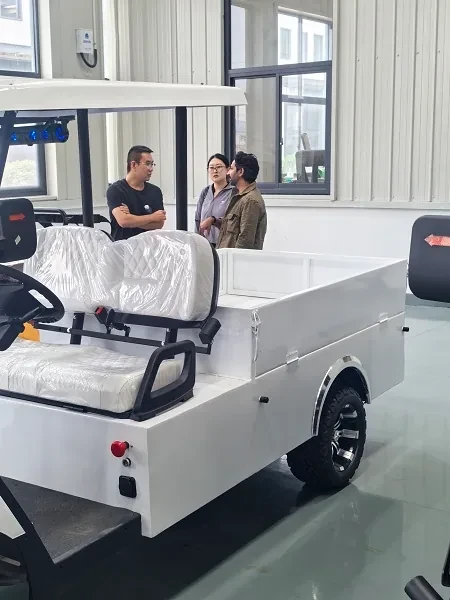
Agree when production updates will be available and which stages matter to the project. Weiside’s supplied service process includes discussions of progress photographs or video and checks from materials and fabrication through painting and assembly. The timing and evidence for an individual order should be agreed in the proposal.
Use updates to answer defined questions. A paint-stage image may help review appearance, while an equipment photograph can help identify the installed component. Neither should be expected to prove every aspect of function or quality. Connect each requested record to the inspection or approval it supports.
Manage substitutions through the same process as other changes. If a component or material becomes unavailable, ask for the proposed alternative and the implications for function, appearance, documentation and service. A substitution should have a named approval owner before it becomes part of the order reference.
Keep the schedule tied to completed approvals. Production capacity does not establish a guaranteed dispatch date for a project with unresolved engineering or artwork. Review the dependencies, manufacturing milestones, inspection and transport separately, then coordinate them in the overall delivery plan.
Prepare the people who will represent the product
A private-label launch also needs a handover within the buyer’s own organization. Give sales staff a description of the approved configurations, including the distinctions between standard equipment and available options. A salesperson should be able to connect a published description to the current order specification rather than relying on a visually similar sample photograph.
Prepare the same information for service and operations. Identify the vehicle versions, component references, charger documentation and route assumptions relevant to the supplied units. Explain which team receives questions about appearance, function or warranty so that a customer is not passed between several people without an owner for the issue.
Check the material that will appear beside the vehicle. Website photographs, brochures, labels and quotations should describe the configuration being offered. If an image shows optional equipment, say so clearly. When a display or another component changes between versions, update the description alongside the technical record instead of leaving sales information to drift away from production.
Before accepting follow-on enquiries, agree how special requests will be reviewed. Staff can collect a customer’s operating need without promising that every combination will be available. A short internal request form that captures model, duty, quantity, appearance and required changes gives the manufacturer enough context to respond and keeps the brand’s public commitments connected to the product it can supply.
Verify the finished order and prepare repeat supply
Before dispatch, compare the completed vehicles with the approved pack. The order-specific record can cover paint, upholstery, logo placement, steering, battery, charger and selected equipment. Agree how unit identification and any exceptions will be documented, and who has authority to accept or request correction.
Include packing, supplied information and the destination handover in that review. A brand project may also need approved labels, manuals or packaging graphics. Confirm their scope and ownership early enough that they do not become an improvised task after the vehicles are otherwise ready.
For repeat supply, preserve the approved configuration and component references. Explain how later revisions will be identified and which changes need renewed approval. Similar body styling is not enough to establish parts interchangeability. The service team needs to know what was installed in each order or production version.
The strongest outcome is a shared reference that survives the first shipment. The brand team knows the intended appearance, operators understand the duty, purchasing can specify the next batch, and the manufacturer has a clear basis for building it. A custom vehicle becomes easier to reproduce when every important decision has an owner and an identifiable approval.