

Customizing a golf cart can begin with a colour or a logo, but the finished specification connects appearance with the vehicle’s working role. Weiside’s service scope covers branded supply, private-label manufacturing and design development, with changes reviewed around the selected platform. Passenger finishes, cargo bodies, solar-panel roofs and rain curtains provide several starting points for that discussion.
The most useful initial brief explains what the vehicle will do as well as how it should look. A resort passenger shuttle, a facilities vehicle and a private-label range each bring different priorities. Bringing those requirements together early gives the engineering review a clear application, layout and brand direction to work with.
Giving the brand a physical reference
Weiside’s customization scope includes body finish, upholstery and logo applications. Buyers can share Pantone or RAL colour references, upholstery samples and artwork to define the intended appearance. Finishes are reviewed for the chosen model and agreed through physical samples and approved artwork.
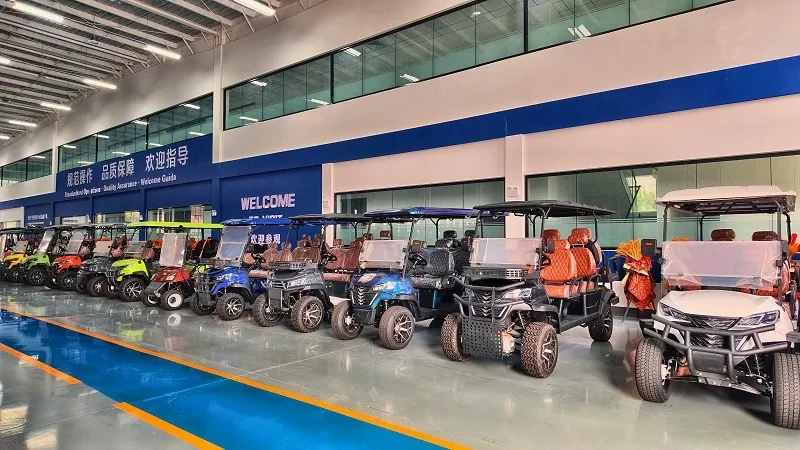
The showroom view on this page shows passenger vehicles in a variety of body and upholstery finishes. The visible combinations can help a buyer describe the relationship between different finishes. A preferred seat layout, graphic treatment or equipment package then needs to be connected to the final build record.
For repeat orders, the practical value of sample approval is consistency of reference. An approved colour sample and artwork file provide a clearer starting point than a general request to make the next vehicles look similar. Any changes should be recorded before they become manufacturing instructions.
Matching the body to the working load
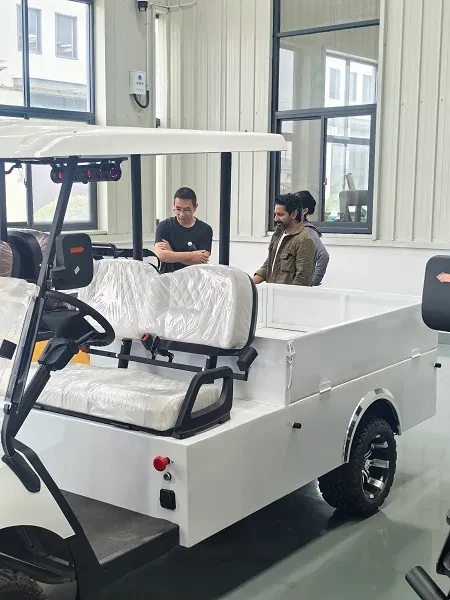
The customer-visit photographs include a white vehicle with an open rear cargo bed. Buyers can discuss this arrangement or an enclosed rear cargo box as different approaches to dedicated loading space. Model compatibility, body dimensions and rated carrying capacity are reviewed for the complete vehicle, alongside access and the intended distribution of the load.
Weiside asks buyers to share cargo dimensions, weight, access and mounting requirements. For a purchasing team, that means explaining what will be carried and how it will be loaded, as well as choosing an appearance. A box intended for loose supplies creates a different brief from an open bed used for longer tools or equipment.
Considering equipment as a complete configuration
The company’s service information also covers seat and upholstery choices, suspension options, wheels and tyres, and onboard displays. Availability varies by vehicle series and selected build. A feature shown on one reference vehicle should therefore be checked for the actual model being proposed.
Other items open to discussion include cockpit finishes, Bluetooth audio, storage, steering layout and destination charging input. Solar assistance, refrigeration, tracking and rental-related modules can also be raised during engineering review. Buyers should explain the intended use, mounting needs and electrical requirements so the options can be considered together with the selected vehicle.
Rain curtains provide another example of why the complete vehicle matters. For a proposed enclosure, buyers should supply a reference for the passenger area and ask engineering to confirm its fit. Fit, entry openings and visibility need to be reviewed with the chosen roof and seating arrangement. Buyers can explain how passengers board and where the vehicle will be used to help define the enclosure brief.
Turning requests into an approved build
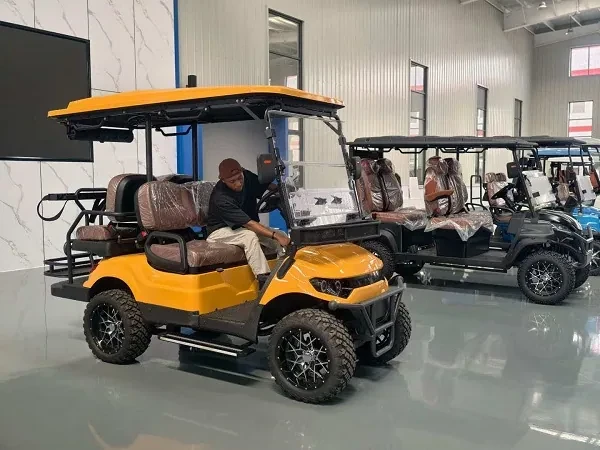
Weiside’s development sequence begins with the application, seating, range target, gradients, quantity, destination and brand direction. Engineering then reviews feasibility and pricing before visuals, samples and the vehicle specification are approved. The order and schedule are recorded before manufacturing proceeds.
The later stages cover agreed production updates, quality checks and verification against the purchase order before packing and shipment. For a buyer, the useful output is a coherent reference connecting appearance approvals with the technical specification. That reference should make clear what is included, what remains optional and how later changes are accepted.
Minimum quantities and development requirements depend on the model, finish, branding and scope of work. The proposal should establish those terms alongside the required approvals and schedule. A detailed initial brief gives the factory a useful basis for identifying a feasible combination and gives the buyer a concrete specification to review before committing to production.
Editorial basis: Weiside’s supplied customization service description and vehicle reference photographs. The publication date records this company feature’s release. Final options and compatibility are confirmed for the individual order.