

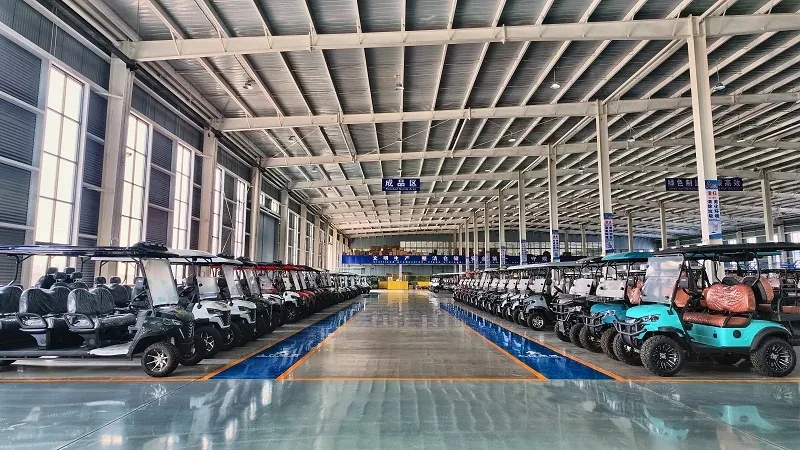
A finished golf cart brings together a vehicle structure, protective finish, electrical system and passenger or cargo equipment. At Weiside, these are connected manufacturing stages, with checks during production and a final comparison against the customer’s approved order. A closer look at the equipment, workstations and packing arrangements shows how the vehicle takes shape.
For a purchasing team, that sequence provides a useful way to structure a factory review. Each stage raises practical questions about the selected vehicle: how its structure is prepared, which finish is approved, what equipment is installed and how the completed build will be checked and packed.
Starting with structural components
The manufacturing process begins before a recognizable vehicle reaches the assembly area. CNC fibre-laser equipment cuts sheet and tube components used in the frame and vehicle structure. Hydraulic forming prepares chassis beams and structural brackets, followed by welding and checks as the structure comes together.
These stages give purchasing teams useful questions to bring to a factory discussion. Which parts change when a passenger layout becomes a cargo vehicle? What dimensional references are used for the selected configuration? How are approved structural changes carried into the production instructions? Resolving those questions with the engineering team connects the proposed vehicle to the work needed to build it.
Protecting and finishing the structure
Weiside’s coating sequence combines surface preparation, electrophoretic primer, painting and baking. The selected finish is reviewed with the vehicle’s operating environment in mind. A body colour therefore belongs in the build specification alongside the structural and equipment requirements, with a clear reference for the production team.
For a branded fleet, the practical reference should include approved colour samples and artwork. Photographs can help communicate the intended appearance, while the agreed sample records what the buyer and manufacturer have actually accepted. A change in paint, upholstery or graphics should be carried into that reference before production is released.
Buyers should discuss the protective treatment, care guidance and finish terms for their own order. Exposure, parking conditions and cleaning routines are useful details to include in that conversation. A fleet operating beside a landscaped resort, for example, may present a different maintenance brief from vehicles assigned to a sheltered industrial site.
Bringing the vehicle systems together
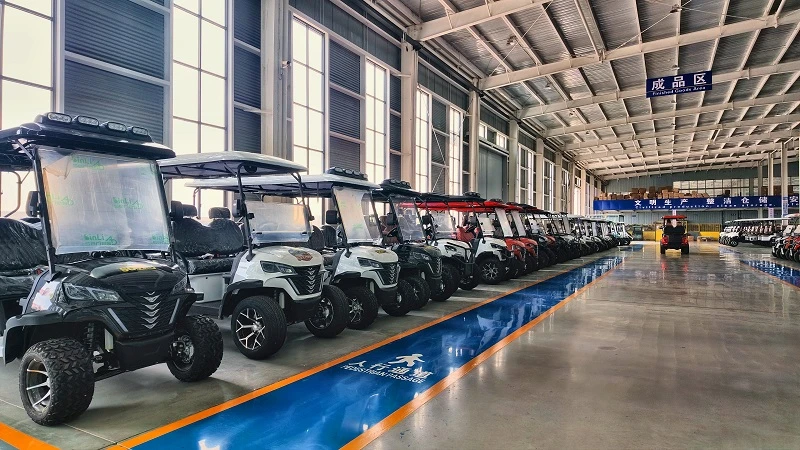
At assembly, the drive system, battery, controller and cabin equipment are installed as a matched configuration. Wiring is secured along its designated routing, and connections are checked before electrical and running tests. The showroom photographs show rows of finished vehicles with different passenger layouts and visible equipment choices. They provide a useful starting point for discussing the configuration to be assembled.
The distinction between a displayed vehicle and an approved build is particularly relevant to configurable vehicles. Similar-looking carts may differ in battery system, seat arrangement, steering layout, charger input or onboard equipment. A useful production reference identifies the actual component choices and agreed alternatives; an appearance photograph is only one part of that record.
Weiside’s quality outline places incoming checks and production checks before completed-vehicle inspection. Its final order-specific stage compares details such as paint, seats, branding, steering, charger plug, system voltage and selected equipment against the purchase order. The connection between assembly and the approved specification is therefore central to the company’s description of the build.
Moving from inspection to packing
The workflow continues through inspection, protective packing and container loading. The vehicle rows pictured here show the finished-vehicle display area; the order discussion should separately establish the protective packing and transport arrangement. Model, quantity and seating layout inform the loading plan, so packing is another detail to confirm when an order moves from the vehicle specification to shipment preparation.
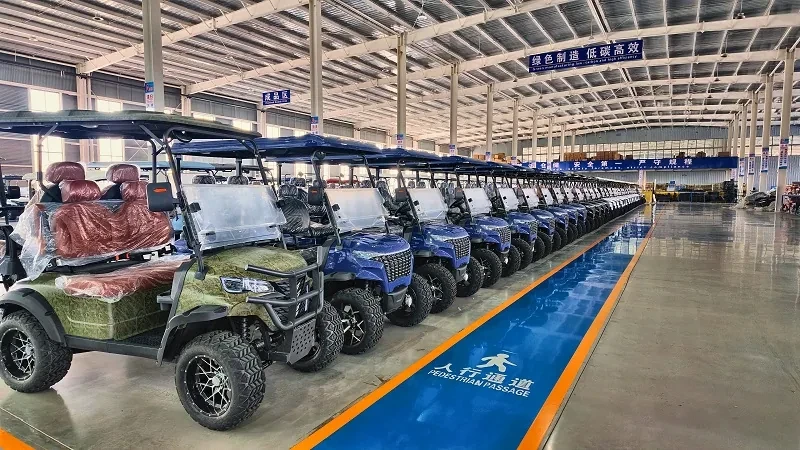
For buyers coordinating a site opening or seasonal replacement, production completion and arrival are separate milestones. Configuration approval, manufacturing, inspection, packing and transport each need a place in the delivery discussion. Named milestones help the buyer coordinate receiving space, site readiness and the people responsible for commissioning the vehicles.
Making a factory review useful
A focused factory review can follow the same sequence: structural preparation, finishing, assembly, inspection and dispatch. Before an in-person visit or a proposed live video tour, buyers can identify the model and the stages they most need to understand. This gives the discussion a practical purpose beyond a general overview.
Useful records to agree include the approved configuration, sample references, inspection scope, packing plan and named delivery milestones. The appropriate detail depends on the project. Together, these records help connect what the buyer sees in the factory with the vehicles specified in the order.
Editorial basis: Weiside’s supplied manufacturing and quality materials, together with the company photographs shown here. The publication date records this feature’s release, not a factory opening or production event.