
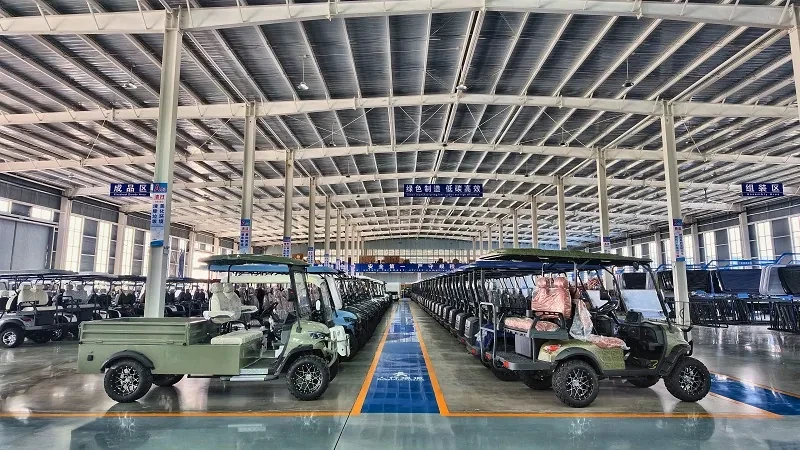
An inspection process needs a clear reference: the vehicle that was ordered, the components approved for it and the functions to be checked. Weiside’s seven-stage process begins with incoming materials and continues through production, completed-vehicle testing and order-specific verification. Its purpose is to connect the physical build with the configuration agreed for the customer’s order.
For fleet buyers, understanding that sequence helps turn a general request for quality into a specific acceptance discussion. Component selection, installation checks, vehicle functions and order details each need attention. The most useful questions concern what will be checked for the selected model, which records are required and who will confirm the result.
Checks begin with components and assembly
Incoming quality control covers chassis and component references, battery consistency, wiring insulation and continuity, and supplied parts against approved samples. This places the component reference alongside its condition. For a configurable vehicle, knowing that an item matches the selected build is part of the purchasing requirement.
Production quality control then covers critical fastener torque, installation completeness, connector engagement and wiring retention as the vehicle moves through assembly, with relevant checks recorded. Buyers who need particular inspection records should agree their format and scope in advance. A clear record request identifies the information needed for their own acceptance and maintenance teams.
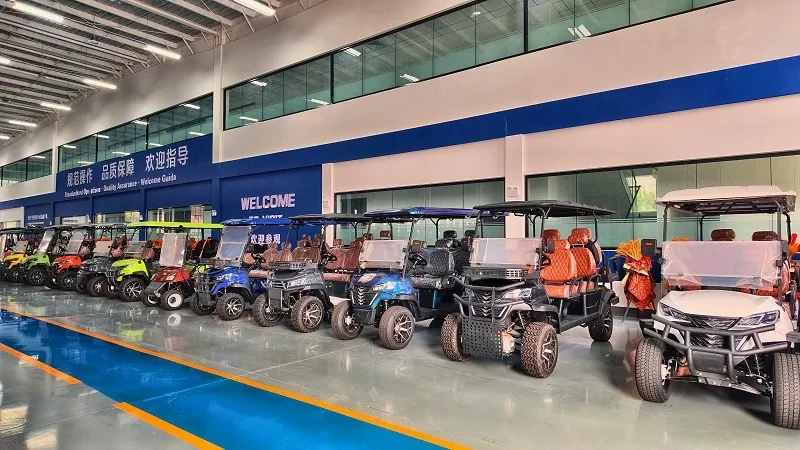
The showroom photograph shows several finished vehicles and their visible wheel and tyre choices, giving buyers a starting point for comparing equipment. The approved configuration identifies the selection for an order. That reference is especially useful when a buyer is comparing wheel styles and sizes across a range of otherwise similar vehicles.
Reviewing the completed vehicle
The next stages address static finish and fit, electrical function, the battery system and dynamic testing. Static checks include paint and body surfaces, panel gaps, alignment, protective finishes, accessories and vehicle documents. Electrical checks cover the installed lights, indicators, instruments and cabin electronics, along with the specified functions and connections.
Battery checks follow the chemistry and configuration supplied. The scope includes the installed system and applicable protection functions, state-of-charge indication and performance under the selected procedure. When comparing battery options, buyers can ask the factory to explain the relevant checks and the information that will accompany the selected system.
Dynamic testing evaluates loaded running, steering, braking and suspension, including drive-system temperature on the test route. The installed braking and suspension equipment is checked against the approved configuration. Buyers with particular operating requirements should discuss the route, test load and acceptance criteria for their project, especially where the intended working duty is central to model selection.
Comparing the build with the order
The seventh stage is order-specific verification. Weiside lists paint, seat finish, logo placement, steering layout, charger plug, system voltage and selected equipment among the details compared with the purchase order. This final comparison is especially relevant when vehicles share a body style but have different operating or branding requirements.
A buyer can make that comparison easier by keeping the accepted specification in one controlled record. It should identify the chosen configuration and any approved changes. A revised seat material, display or charger requirement needs to be reflected in the same record used for acceptance, with a clear indication of the current revision.
The exact approval documents, change procedure and responsibilities should be agreed between the buyer and the manufacturer. Naming the people who approve changes helps the final comparison use the reference accepted by both sides.
Connecting verification to dispatch
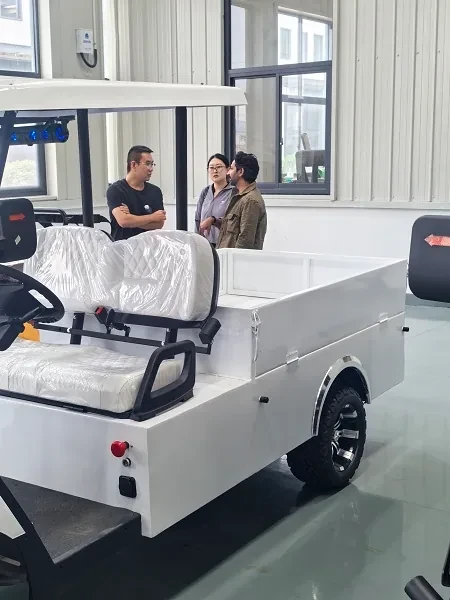
Agreed inspection comes before protective packing and container loading. The customer-visit photograph shows a discussion beside a cargo-bodied vehicle. Buyers can use a showroom review to identify the layout before separately agreeing its packing and transport arrangements. The ordered layouts, packing method and loading arrangement should be considered together as the shipment plan is confirmed.
Before dispatch, buyers should clarify which records they will receive, how any outstanding issue is closed and who confirms release. If a third-party inspection is required, its timing and scope also belong in the order arrangements. A factory inspection and a destination acceptance check serve different points in the delivery process; responsibilities for both should be explicit.
Editorial basis: Weiside’s supplied seven-stage inspection outline and current showroom and customer-visit photographs. Inspection scope, acceptance criteria and records are agreed for the individual order.